Showing posts with label telomeres. Show all posts

Thursday, 22 March 2012

A Slight SENS of Deja Vu...

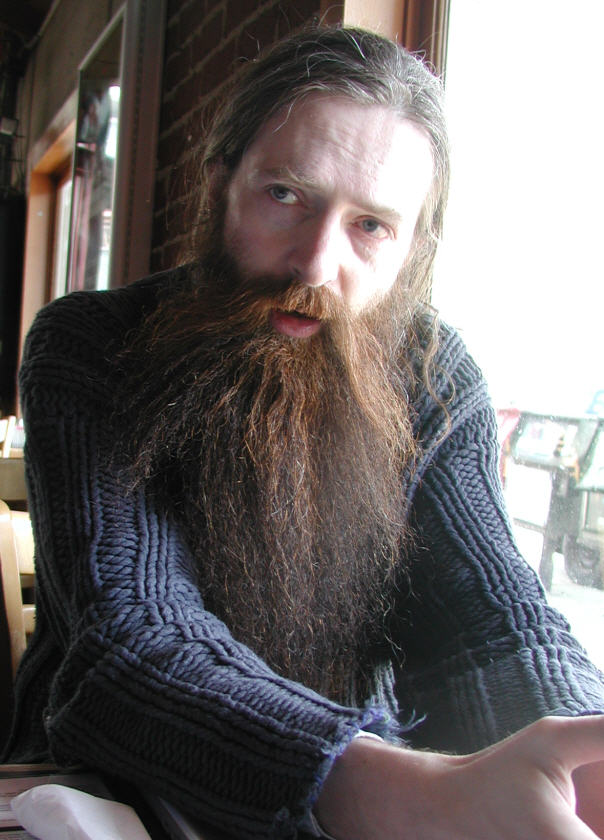
Have you heard of Aubrey de Grey? You might have seen him on TV at some point speaking on the topic of life extension.

He also has a beard which suggests he
is very serious about living forever.
 de Grey is the author of SENS, or "Strategies for Engineered Negligible Senescence". Put more clearly, it's a collection of therapies that tackle a variety of different elements of the ageing process. Let's take a look.

Cancerous mutations

Problem: In SENS, the only mutations that matter are the ones that cause you cancer. Other non-cancerous mutations may still occur, but are made redudant by the vast number of other cells around them. Cancer is an ageing related disease and one of the reasons the chance of dying increases as we grow old, according to this theory.

Solution: Cure cancer. It sounds obvious, but unfortunately, it's the only real way to avoid this problem. Cancer therapies are improving all the time, so it's not quite as sci-fi as it first appears. SENS specifically focuses in on your friend and mine, telomeres, in order to tackle the cancer problem.

Mitochondrial mutations

Problem: Mitochondrial DNA mutates. This causes damage to the energy production of the cell, possibly through the release of certain harmful products. de Gray himself has actually gone back on this theory, stating that the number of mutations observed in mitochondrial DNA (about one every 7884 years) probably isn't enough to account for ageing.

Solution: Something called allotopic expression, which would involve moving the mitochondrial DNA further into the cell in order to protect it.

Intracellular Junk

Problem: Over time, byproducts produced by the cell can build up and cause ageing effects. Alzheimer's disease, retinal deteriation and even liver spots are all caused by this build up of "junk"

Solution: The cell has a collection of miniature organs within it called lysosomes which function to digest unwanted molecules and byproducts. de Grey suggests adding new enzymes to the lysosomes, specifically ones from molds and bacteria that display efficient and complete digestion, in order to reduce the build up of waste products.

Extracellular Junk

Problem: The same as before, but this time, outside of the cell. This can often be toxins, or other damaging substances.

Solution: Use phagocytes to clear the junk up. Phagocytes are essentially eating cells. They are actually used by the body to swarm areas of infection and absorb and digest infectious organism, but they could easily turn their hand to toxin clean up.


Cell Loss

Problem: Whilst the majority of cells keep in a good balance of death and growth, some cells divide much slower, specifically those in the brain, heart and certain muscle tissues. As a result, over time these tissues grow weaker and cannot function properly.

Solution: Stem cells. The magical cells that can become any kind of cells around them (within reason) would be perfect for replacing cells lost over time.

Cell Senesence

Problem: This is where cells stop dividing, but don't die. This prevents other cells from dividing and causes damage to tissue over time.


Solution: Controlled cell demolition, sort of. By introducing specific genes, inventively called suicide genes, cells can be instructed to self destruct and stop blocking the replication of other healthy cells.

Extracellular Crosslinks

Problem: Cells in the body are held together by special link proteins. If too many of these cross links form between cells in a tissue, it can actually cause the tissue problems. In some cases, the high amount of bonds can cause the tissue to become brittle, weak and easier to damage.

Solution: The use of small molecule drugs and ezymes to severe the sugar cross links between the cells and tissues in order to keep them healthy.

As you can see, there are a wide number of different elements of aging covered in the SENS approach. You'll have probably noticed that some of topics I've mentioned bear quite a lot of resemblance to some of the other theories of ageing I've previously mentioned.

The idea behind SENS however, is not just to show how ageing works, but to provide an united front approach to life extension therapy. SENS gathers together all of the leading theories and works them into something of a therapy checklist; a strong approach that tackles a wide number of causes of aging.

It's not without its criticisms however. Some suggest that SENS is nothing but a science fiction wondering, and is too complex to be implemented anytime in the near future. Whilst many areas of research are undoubtable beneficial, such as cancer therapies, or stem cell research, critics claim that other areas, like alloptopic expression or crosslink destruction, are irrelevant and fanciful.

If you would like to disover more about SENS, the official website contains a large amount of indepth information.

I will finish with a video showing a TED talk that Aubrey de Grey gave back in 2006 on the topic of life extension;

Wednesday, 18 January 2012

Telomeres: How Your DNA is Like A Shoelace

At some point, you've probably noticed those little plastic doodads at the end of your shoelaces. Apparently, they're called aglets. These little caps serve to hold together the laces at the end to prevent them from fraying apart over time. It might sound strange, but your shoelaces are a bit like your DNA.

Pictured: DNA (not really)
 DNA, in its most basic form, is a long strand made up of the bases adenine, thymine, guanine and cytosine, which are typically represented by A,T,G and C. The strand exists in a double helix structure, where each base is paired to its appropriate match (A to T and C to G). 

Here, we see the DNA base pairs, as well as DNA in its natural form, the double helix.
When the cell must divide, the DNA is peeled apart, and appropriate base pairs are added to either strand. The result is two identical strands of DNA, which are then separated into two new daughter cells. Perfect.

Except... that's not quite the case. Unfortunately, the DNA replication process isn't quite perfect. Every time the DNA divides and is replicated, a few bases are lost off the end of the strand. That's where telomeres come in.

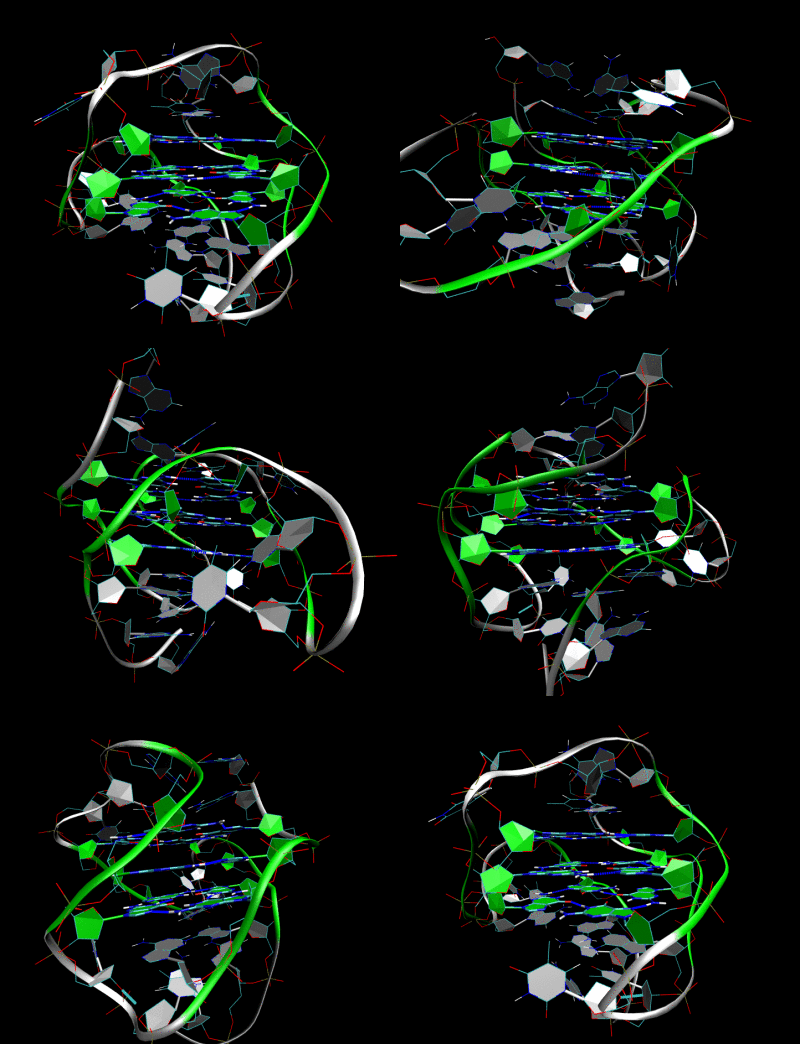
Doesn't look like much, but these things keep your  DNA safe

Telomeres are lengths of repetitive DNA that have no function other than to be missed out in replication. They do not code for anything when the DNA is read by the ribosome, so if they are not present, then the cell, and by extension the body, can still function normally.

What the telomeres do provide is a sort of bumper zone for the DNA replication failure. As previously stated, the replication chops a few bases off the end of the strand each time. If the bases being missed coded for important proteins, then missing them could potentially kill the cell. If this happened in all the cells of the body, then it would barely be able to support itself. However, removal of sections of the telomeres causes absolutely no negative effects towards the cell. If the bases that are missed are from the telomere, the cell can continue functioning as per normal.

So how does this cause ageing? Well, the telomeres are absolutely fine being missed out during every division, but unfortunately, there's only so many times this can happen. Over time, the telomeres are degraded, until eventually there is nothing left. At this point, the bases missed off by replication ARE crucial to the cell. The cells then fail to divide, and slowly, the rate of cell death rises. How does this manifest itself? In the form of ageing. Most interestingly is the time it takes for the telomeres to be entirely degraded. It's around 25 to 30 years, which around the same time ageing begins in the human body.

So there we are. Your DNA is like a shoelace, and the telomeres are like the aglets. When they are there, they keep everything in check.When they are removed, everything starts unravelling.

And then your shoe falls off. 

Tuesday, 10 January 2012

Why Do We Age?

Our medicines prevent many diseases from killing us. Advances in medical science have allowed us to fix damaged organs, like hearts, or in some cases replace them entirely. The further understanding of nutrition provides us with the knowledge we need to stay healthy throughout our lives. But despite all this, there is still no way to defy death permanently. We can prolong life, almost tripling its natural length, but eventually, the human body can no longer support itself.

So why does this happen? Whilst the precise cause of ageing is as of yet undetermined, there are many theories. One theory indicates that the mitochondria, which are the energy production units in our cells, cause damage to the cells over time via the release of harmful by-products. Mitochondria produce ATP (the energy currency of the cell) through several cycles that split glucose down into various compounds, releasing energy in the form of ATP along the way. This process can release electrons which form reactive oxygen species. You may be more familiar with these under the guise of free radicals. These molecules cause damage to several different components of the cell. Over time, this cell damage builds up, and we see the effects of this in the form of ageing.

Another theory is more centred around DNA as the cause of ageing. As you may know, DNA (or Deoxyribonucleic Acid to be precise) is found in every cell in our body and contains the instructions for each one of the cells. The DNA in our cells produce protein, which activate different functions around the body. When a cell divides, a copy of the DNA is made, after which the cell divides in two. The process of replication is balanced by the rate of cell death. In the first part of our lives, as we grow, the rate of cell division is higher than that of the rate of cell death. However, at about 25 years of age, the rate of cell division begins to decline. It is at this point where our bodies start "ageing" as we know it. This decline in division is the result of the degradation of telomeres. These little caps of DNA are fascinating, and I'll be taking a closer look at them in a future posts.

One final theory around ageing implicates insulin as a contributing factor. You probably already know of insulin through its role in diabetes, but studies have shown that it could also cause ageing when combined with a chemical referred to as insulin-like growth factor 1, or IGF-1. IGF-1 can bind to both specific receptors as well as insulin receptors. Many tests have been conducted on a variety of different species that indicate removal of insulin receptors can lead to incredible prolonging in life. An experiment showed that the lifespan of the roundworm species Caenorhabditis elegans could be doubled by mutating the gene that coded for the insulin-like receptor. Since the insulin/IGF-1 pathway is the same within both worms and mammals, this indicates a possible anti-ageing therapy that could extend life permanently.


It's difficult to say exactly if any of these are the one true cause of ageing. It could be that it is a combination of all the different theories, or it could be that one theory in turn stimulates the others. Whatever the case, each theory offers exciting avenues for potential therapies in anti-ageing.


An excellent review on insulin/IGF-1 ageing theories can be found here; http://www.fly-bay.net/journals/cc/BartkeCC7-21.pdf